
 Origins TCG
Deck guides · Published September 28, 2026 · updated September 29, 2026 · 7 min read
🧙♂️ Merlin: It's Not Magic, It's Sequencing. Combo-Control Guide 🔮

Translated automatically from Spanish: card names stay in English, as in the game. Original text (Spanish) →
🔮 Merlin isn't trying to win fast. He's trying to make sure every turn your opponent takes has fewer options than the last one. 🧙♂️ In this guide you'll learn how to pilot the most elegant combo-control deck in Origins: from surviving the early game to executing the 40-damage sequence that leaves your opponent with no answer. ⚡
🧙♂️ The game plan: survive, control, finish
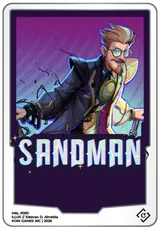
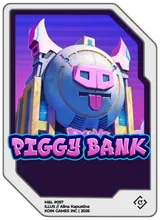
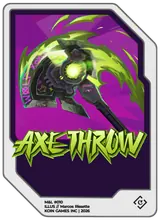
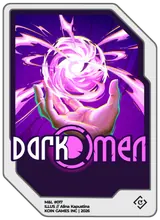
Merlin isn't trying to win fast. He's trying to make sure every turn your opponent takes has fewer options than the last one. The deck is played in three clear phases: you survive the early game, you control the midgame, and you finish with an unstoppable sequence in the late game. 🛡️ In the first few turns, your only goal is to put Sandman on line 3 and start ramping with Piggy Bank. Sandman is the heart of the deck: as long as he's alive, all your spells cost 1 less. The problem is that a 1/3 body doesn't survive anything, so you have to look after him like he's made of glass. 🌀 In the midgame, you dedicate yourself to what this deck does best: stopping your opponent from playing. You use Axe Throw for the 3-health stuff, Dark Omen for whatever you can't kill any other way, and you save Rain of Arrows for when your opponent gets excited and fills the board. Every spell you cast is a turn your opponent doesn't advance. 👑 And in the late game comes the moment you've been waiting for since you shuffled. Merlin is on the board, you have mana, you have Merlin's Prophecy and you have an Obliterate in hand. That's where your opponent realizes they can't answer anything anymore.
🔄 Reveal order: the part that changes everything
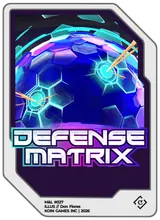
If you only take one thing away from this guide, make it this one. In Origins, the reveal order alternates every turn. Whoever reveals first resolves all their cards before the other player does anything. 🧙♂️ Merlin's payoff comes the turn after you play him. If you play him on a turn where you reveal first, the next turn you reveal second, and your opponent has an entire turn to kill him before he's repeated anything. Five mana thrown in the trash. ⚡ So do the opposite. Play Merlin on a turn where you reveal second. Drop him after your opponent has spent their removal. The next turn, you switch to revealing first, you cast Merlin's Prophecy, Merlin repeats it, and the combo resolves before your opponent has a window to respond. 🔄 Since the order alternates and you know who starts on turn 1, you know your whole schedule from the beginning. Work backwards. If you want to combo on turn 8, Merlin comes down on turn 7. If turn 7 isn't a reveal-second turn, either you combo earlier, or you combo later, or you accept the risk and hold Defense Matrix. 🛡️ This also applies to Sandman and to removal. A Sandman on a reveal-second turn is a Sandman your opponent couldn't answer. And if you're going to cast a Dark Omen on your opponent's big threat, do it on a turn where you reveal first, so the thing dies before it gets a chance to attack you.
💥 The 40-damage combo (and the cheap one almost nobody uses)
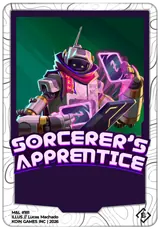
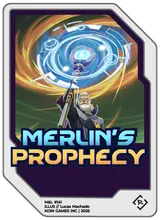
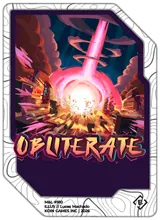
Let's go with the 40-damage version first, because it's the one in the title. Merlin on the board, alive, on a turn where you reveal first. You cast Merlin's Prophecy, Merlin repeats it, and now you have two pending "repeat the next spell" effects. You cast Obliterate. Both Prophecies repeat it, and Merlin's own repeat was already spent on the Prophecy. Result: four Obliterates. 40 damage. A regenerated barrier, wiped out in one turn. 👑 With Sandman out, that costs 9 mana total. And you only need to do it once per game, when a barrier has already died and come back with 40. 💥 But let's be honest: you rarely need the full 40. Normal barriers are 20. Merlin plus a single Obliterate is already 20. And if you've had Sorcerer's Apprentice out for a few turns, your Broomsticks have probably already done half the work. Many games end with the broomsticks doing the last 10 and Obliterate doing the first 10. 🌧️ The cheap combo almost nobody uses well: Merlin's Prophecy into Rain of Arrows with Merlin on the board. That's three Rains for 5 mana with Sandman out. That's 6 damage to everything on the enemy side. Nothing in the format survives that. And if Sorcerer's Apprentice is on the board, you've just made three Broomsticks and grown them all.
🃏 Mulligan: the hand you want and the hand you deserve
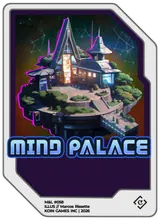
The mulligan isn't about "which card do I like most". It's about "which hand lets me play the plan". And the plan is always the same: Sandman first, ramp after, combo at the end. 🧠 What to keep: Sandman always, he's the engine of the deck. Piggy Bank, the ramp. Merlin's Prophecy, though remember that Merlin already gives you one for free, so a second one in hand is a luxury, not a necessity. Mind Palace is a good fourth keep. Cowardly Lion only if you already have Sandman and want a bodyguard. 🚫 What to throw back: Obliterate and Rain of Arrows always, they're late game cards and you don't want them in your opening hand. Sorcerer's Apprentice unless the rest of the hand is perfect. Cowardly Lion if you don't have Sandman, because a bodyguard with nobody to protect is unemployed. And any expensive card that does nothing on its own. 🎯 What to look for against what: against aggro, look for Sandman and cheap removal. Against control, look for Sandman, ramp and Mind Palace. Against midrange, look for Sandman, Piggy Bank and Dark Omen. The dream hand: Sandman, Piggy Bank, Merlin's Prophecy and a removal or Mind Palace. You won't see it often. Sandman plus two ramp pieces is already excellent. If your opening hand looks like a party of expensive cards, it's not a good hand: it's a trap with nice lighting.
⚔️ Matchups: who you beat and who you pray to
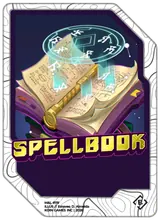
🔴 Against aggro: favored, but you'll sweat. Save Rain of Arrows like it's gold. Trade cheap removal for their small creatures and let them overextend. When they fill the board, a doubled Rain drops and erases the whole thing. The risk is that they kill Sandman early and outpace you. Protect him, and don't be shy with Cowardly Lion: on the right line, he buys the turn you need. 🔵 Against midrange: even or slightly in your favor. Their threats are bigger, so Dark Omen matters more and Axe Throw less. You win by being ahead on mana and forcing them to answer Merlin on a turn where they can't. It's the most "real" duel: you need balance between answering and developing. If you play too defensively, they run you over. If you play too greedy, they eat your tempo. The key is knowing when to shift gears: the early turns you answer, the later ones you develop. 🟣 Against control and other combos: depends on how much removal they run. If they can kill Merlin every time he comes down, you need to bait removal with Sorcerer's Apprentice and Cowardly Lion first. Here, whoever builds the better engine with more patience wins. Spellbook is at its best, because long games are where the extra card each turn matters. And if your opponent is playing to stop you from doing anything, sometimes the right play is to do nothing either, and wait for them to get tired.
🚫 Common mistakes (and how to avoid them)
🧙♂️ Playing Sandman in lane 2 on turn 1. Lane 3. Always. Unless lane 1 has already been revealed as friendly. ⚡ Playing Merlin on a turn where you reveal first. He dies before doing anything. It's a waste of 5 mana and a legendary card. 💥 Spending Merlin's Prophecy on Obliterate when Merlin alone was already doing the 20 you needed. Save it for Spellbook. It's more valuable there. 🌑 Spending Dark Omen on something Axe Throw would have killed. Dark Omen is for what you can't handle any other way. 🔮 Forgetting that Merlin gives you a free Merlin's Prophecy and mulliganing for a second one you didn't need. 📖 Doubling Mind Palace at the end of a long game and fatiguing yourself into a loss. If the game goes long, stop doubling draws and start doubling damage. ⏳ Forcing the combo when you haven't set up the board yet. Sometimes the right play is to do nothing and wait one more turn. 🖐️ Dying with a full hand. The most elegant and saddest mistake. Use your answers. The perfect turn never comes; the good-enough turn comes all the time. 👑 Thinking Merlin is automatic. He isn't. And if you play like he is, the deck will remind you fast. Merlin doesn't win by magic. He wins because he turns a well-thought-out sequence into a "gg" that arrives before the other player understands where they started losing. Now go count reveal orders.
Cards in this guide



Resources
Links chosen by the author of the guide. They lead outside OriginsMeta.
Written and published by Vega. OriginsMeta does not edit community guides: the author is responsible for the text.