
 Origins TCG
 4
Origins deck · Created on November 19, 2026 · Patch EA · 17 Nov
720 to 900+
 by Raiken @raikenCreatorYouTube (opens in a new tab)

Translated automatically from Spanish: card names stay in English, as in the game. Original text (Spanish) →
Game plan
The Van Helsing deck works as a reactive control deck built on spell manipulation and hard removal (Spell-Control / Removal). Unlike other decks focused on stacking up large static armies, this deck aims to dismantle the opponent's plans through damage spells, precise removals and arcane support tools that amplify the value of every play.
Rating
–/ 5
No votes yet
Video
Legendary

Base cards 12 × 2
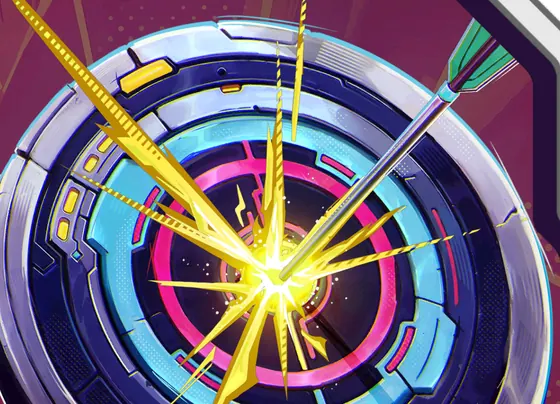
Bullseye
Deal 3 damage to ANY character.

Reinforcements
Summon a Merry Man [1/1] on two random spaces.
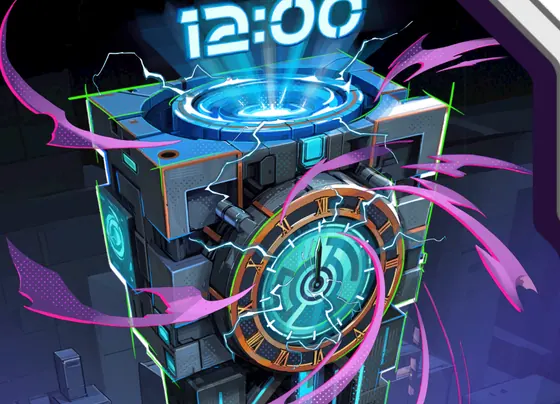
Stroke of Midnight
Return ANY character to its owner's hand.

Animate Object
Choose a space. Summon a Broomstick there.

Sandman
Your spells cost 1 less to play.
12
Mind Palace
Draw 2 cards.

Searing Light
Deal 4 damage to an enemy. Heal 4 damage from your barrier there.

Glinda
Good
When you play a spell, give allies +1.
23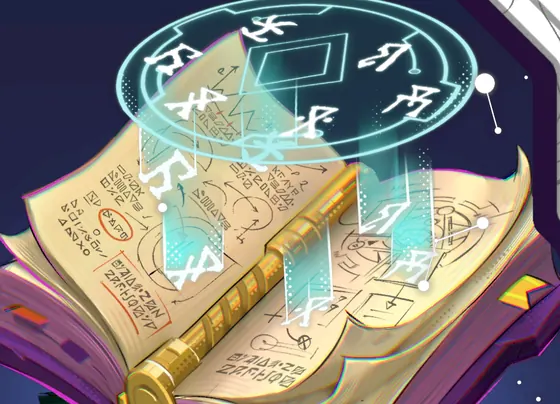
Spellbook
For the rest of the game, add a random spell to your hand at the start of the round. Discard it before combat.

Rain of Arrows
Deal 2 damage to all enemies.

Sorcerer's Apprentice
When you play a spell, summon a Broomstick [1/1] on a random space.
44
Obliterate
Deal 10 damage to ANY character or barrier.
Deck composition
Computed on all 25 cards in play.
Average cost
3.5
Playable by turn 3
14
cards (cost 3 or less)
Total power
17
per unit 2.4
Total health
22
per unit 3.1
Card types
7 units · 18 spells
Cost ≤2 10 · Cost 3–4 9 · Cost 5+ 6
- Other8
- Classic literature4
- Sherwood4
- Baker Street2
- Fairy tales2
- Land of Oz2
- Myth & folklore2
- Gothic horror1
0 base cards share Van Helsing's saga.
- Spell ×11
- Deal Damage ×8
- Summon ×6
- Add ×3
- Buff ×2
- Debuff ×2
- Discard ×2
- Draw ×2
- Heal ×2
- Return ×2
- Self Buff ×2
- Choose ×1
Top end: Obliterate (10) · Cheapest: Bullseye (1)
Win rate
–
Coming with the official API: win rate, matches and matchups by Legendary.
For streamers: short link, chat command, OBS overlay, image
Guide
Strengths
-Very complete removal and damage arsenal: You combine targeted damage (Bullseye, Searing Light), area damage (Rain of Arrows), bounce/tempo (Stroke of Midnight) and hard removal (Obliterate).
-Great consistency and hand filtering: With Mind Palace and Spellbook, the deck has solid tools to find the right answer in every situation.
-Good anti-swarm and anti-big-threat capability: You can respond both to boards full of small units and to lone high-impact cards.
Weaknesses
-Dependence on reads during simultaneous turns: If you cast damage or removal spells in a lane where the opponent doesn't place threats or moves their pieces in time, you lose efficiency and tempo.
-Less constant pressure from your own units: With a base heavily tilted toward spells and control, if you don't make good use of cards like Animate Object, Glinda or Sandman, you can give up too much early space.
-Vulnerable to running out of key answers: If you spend your removal cards hastily on minor targets, you can come up short against the opponent's heaviest threats at the end of the game.
Mulligan
-Always keep: Mind Palace or Spellbook to ensure consistency, along with early answer tools like Bullseye, Searing Light or Sandman depending on what you need to slow down the opponent's start.
-Optional: Sorcerer's Apprentice or Rain of Arrows if you sense a fast start or one with several small units.
-Discard: High-impact late cards or heavy removal like Obliterate or Stroke of Midnight if your hand already has enough early defense, looking for a smoother curve for the first turns.
Key combos and lines
-Pace control with Sandman + Removal: Use Sandman to condition or slow down a lane and finish off the opponent's awkward pieces with Searing Light or Bullseye.
-Clear and reposition: Combine Rain of Arrows to weaken or kill multiple units with Stroke of Midnight on the main remaining target to completely break the opponent's plan in that lane.
-Board and magic support: Back up your spells with Sorcerer's Apprentice, Animate Object and Glinda so that your control isn't purely reactive and you can score or defend locations more solidly.
Matchups
-Favored vs. Swarm or Early Deployment Decks:
How to play it: You have multiple tools to punish unit accumulation (Rain of Arrows, Bullseye, Searing Light). Prioritize clearing the lanes before the opponent can amplify their board and keep control of the trades.
-Challenging vs. High Mobility Decks or Very Deceptive Reads:
How to play it: When the opponent constantly rotates between lanes or uses bluff plays, avoid spending your most expensive spells (Obliterate, Stroke of Midnight) blindly. Use Mind Palace and Spellbook to keep options open, pressure with your units and punish when the opponent is forced to truly commit.
Comments
Questions, tips, results with this deck. Be kind: the deck's publisher and the staff can remove comments.
Loading comments…