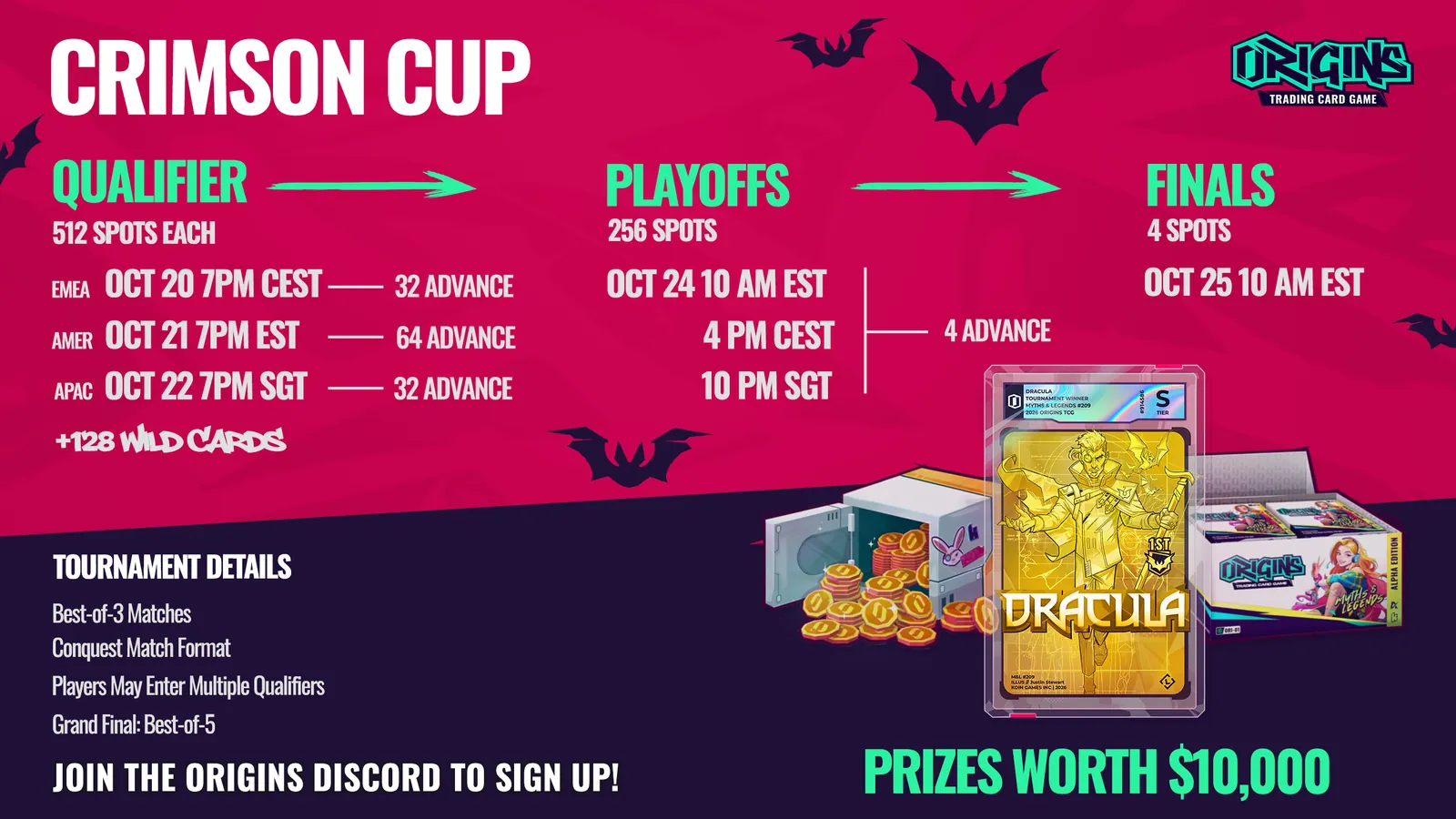
SouL is one of the three Italians who reached the finals of the Crimson Cup, the biggest Origins TCG tournament so far: he went through the winners bracket unbeaten and only stopped in the grand final, against CoachCrono. On OriginsMeta he has the Pro role: his channels and decks are on his profile.
We have known each other for years, from other competitive games, and this is less an interview than a chat between two enthusiasts, recorded in the days right after the final, on the day the Alpha Edition Kickstarter went live. The questions are by Luigi "Davdas" Ragoni.
SouL's three lists, the ones Koin Games published on finals day, are now a tournament deck: you will find them further down, with the game codes ready to copy.
The tournament, still fresh
Davdas: Hi SouL, I'm really happy to meet you again after all the times our paths crossed in gaming, and to have you here after a great result: you made it to the final of the first tournament of a brand-new game. How was it?
SouL: Hi Luigi! It felt a bit like a throwback to those old games where we often crossed paths, because those were competitive digital games too.
These days I've moved a bit more towards paper, but Origins took me back to the days when we competed in online titles.
Davdas: We'll go through your lists and your choices, and we'll talk a bit about the game too, because the curtain is still only half open: I'd like to peek behind it and imagine what it could become, for us and for you. But first, while it's still fresh, just hours after the end: how was the tournament? The event, how long it ran, the matches?
SouL: Very good, in my opinion, for the first tournament organised by a company that is new to the business, and that today, the day we're recording, is launching its actual Kickstarter: we're at the very beginning of a game that is already very successful before it's even out.
Apart from a few small technical issues all the players know about, the bot slowing down because there were so many people and so many matches, it was really good. There were very interesting names, famous international players, Hearthstone streamers of Thijs's calibre, and a solid core of Italian card players.
And we can say it right away: we Italians took three of the four spots in the top 4. That was extremely good. There were people I knew, people I considered strong, and given my own result I'd say it went very well.
Origins TCG in Italy
Davdas: It's a big success for our country: it brings people together and strengthens Origins, which is only now starting to move into markets abroad, towards every country in the world. What do you expect from the Italian market with a game like this? Can Italians make it a leading game?
SouL: I think so. Funnily enough, we've always been one of the most active communities in Europe, at least in online card games.
Still today we have one of the biggest communities on Magic: The Gathering Online, and on Hearthstone the Italian one has always been among the biggest too, with great talent, great players we've produced over the years, I won't list them all, and big content creators as well. There isn't a single digital card game that hasn't been a hit in our country.
In my opinion Origins has every chance: it has nothing to envy a golden-age Hearthstone, if you like. Times have changed, sure, but I'm sure lots of people can enjoy this game. In fact it's obvious: lots of people already do. No point pretending otherwise.
The line-up: Pigs, Mulan and Merlin
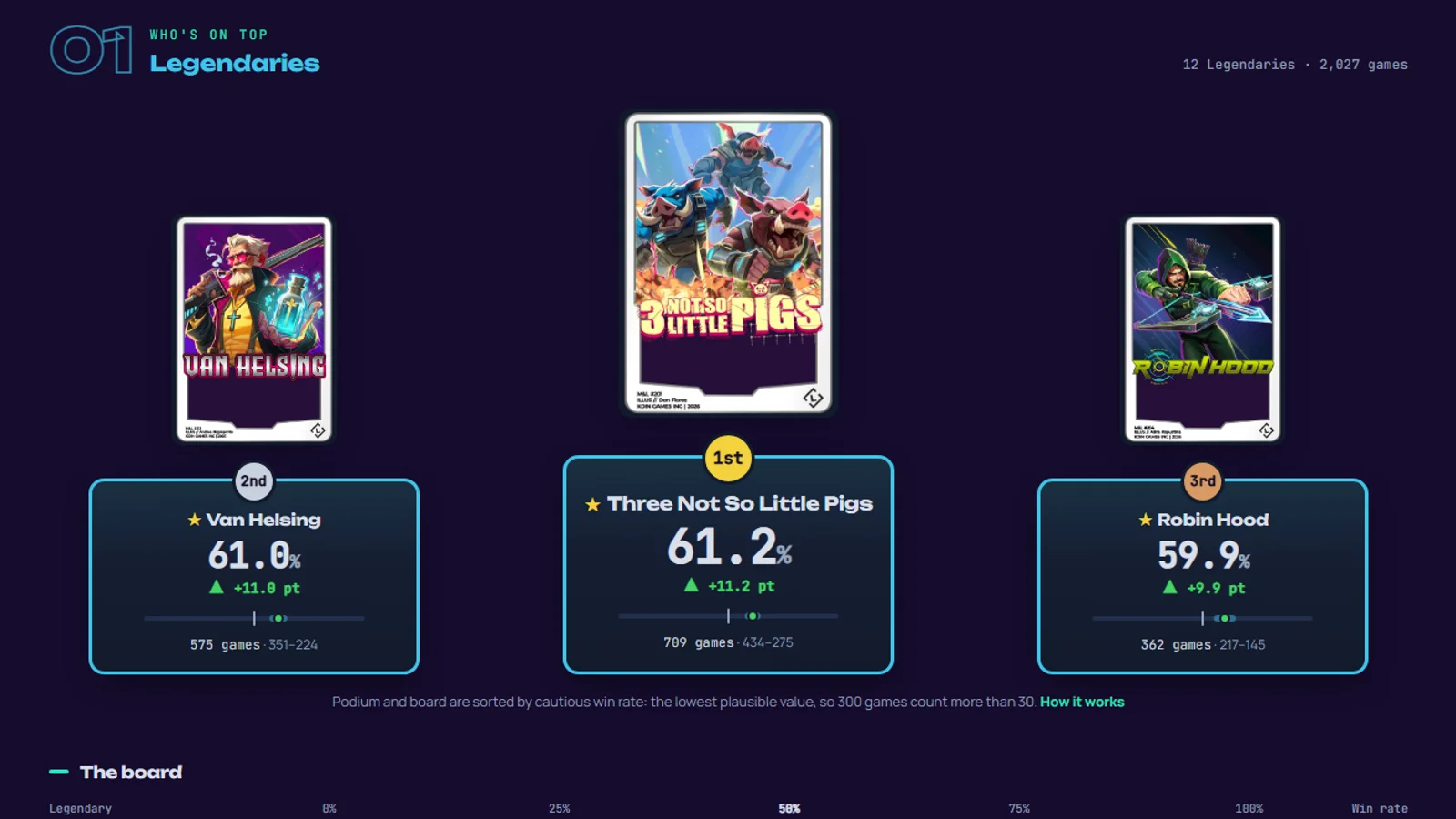
“In 6 rounds out of 7 I faced players who had brought Van Helsing: simply by not banning it, I always ran over them.”
Davdas: Let's hope so. As you know, I have a particular history with Blizzard on Hearthstone itself, and I'm seeing some similarities. Let's say it to our readers: this is more a chat between friends than an interview.
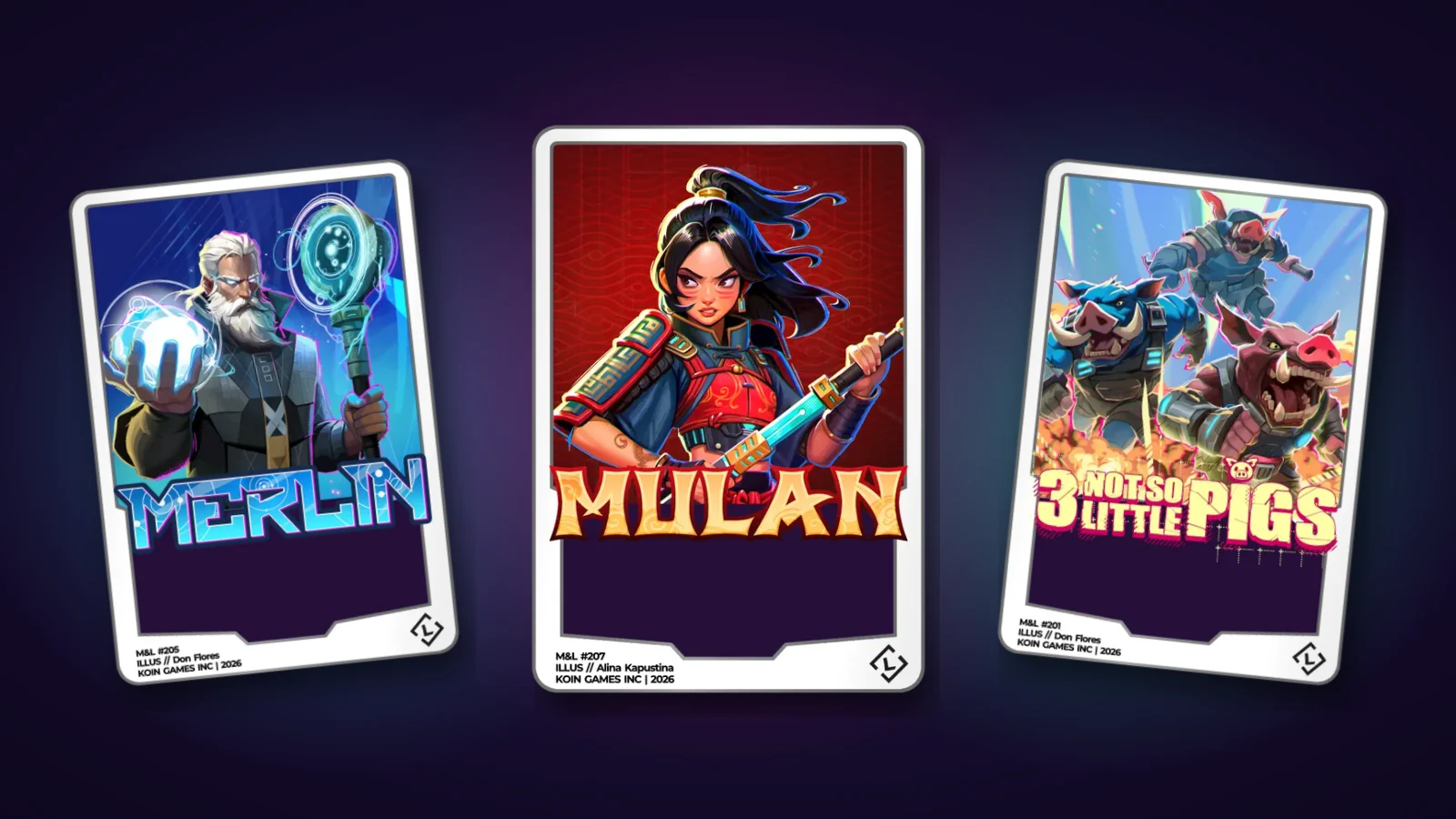
But I don't want to skip the tournament: let's stay on the lists, then we'll come back to what Origins will be and what we expect. You made a big choice, because you brought Three Not So Little Pigs, Mulan and Merlin, three very different decks: an aggro, a midrange and a control. From what you thought through and tested in these weeks, why these three lists?
SouL: Exactly. I'll tell you the truth straight away: I take little credit for the idea of the line-up, because two friends of mine actually tested it. They practised together, they're two Italian players who both did well: Nimer and Lord Von.
We chose these decks because, as you said, by identity they're an aggro, a midrange and a control, but we changed them with the specific idea of making them combo decks. Our target was Van Helsing healing, which we thought was the top tier deck of the meta, and it's also the deck I qualified with in the qualifier that got me into Saturday's Invitational.
I had brought a full control and healing line-up, with Van Helsing and then decks pretending to be something else that were really Van Helsing healing decks without Van Helsing. So I thought: people will take a cue from what I did, and I wasn't the only one with that theory, so the tournament will be full of Van Helsing. And we got the call right.
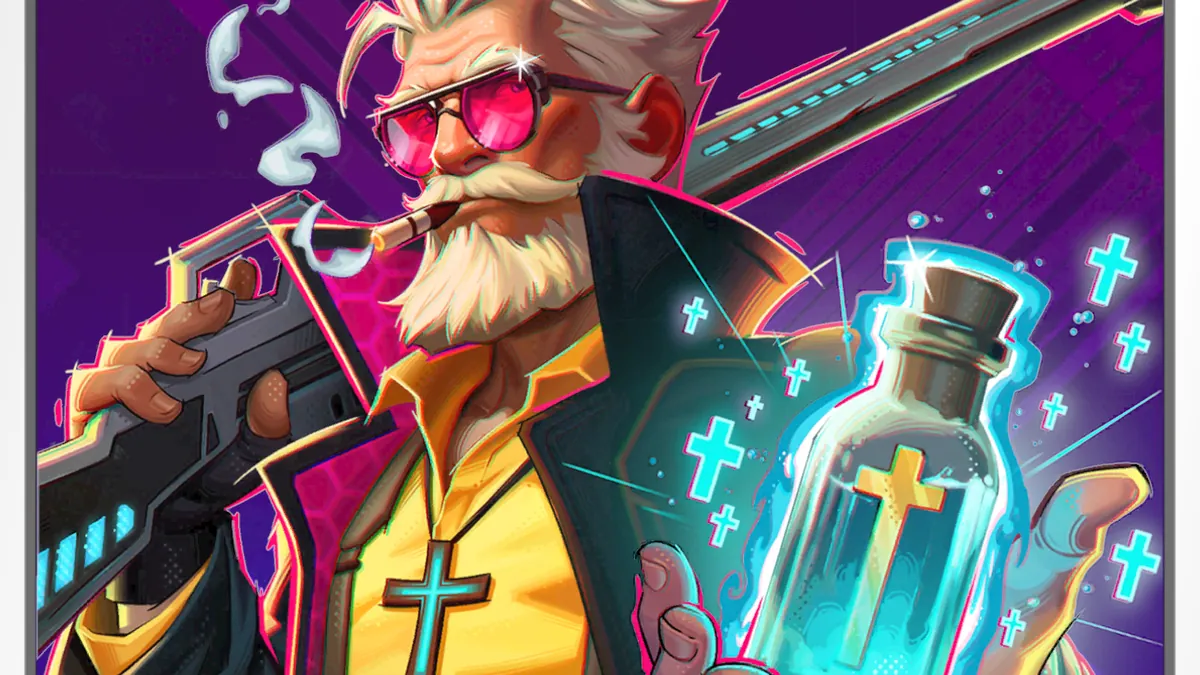
Merlin: more sustained damage, less reliance on Obliterate
The original idea was Nimer's. When I found out about it I told him: I think you're totally right, show me what you've got. I looked at his decks and made a few changes.
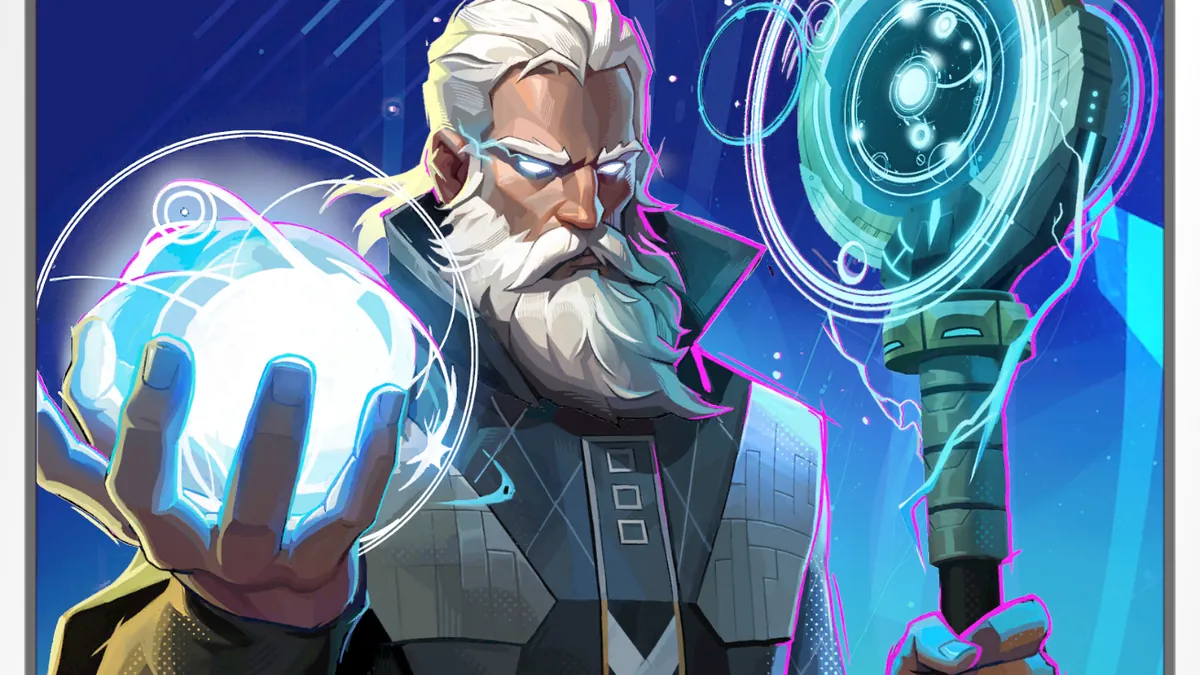
Merlin, for example, the way he had built it was a bit "bricky", let's say: it lacked a way to push a bit more damage and relied only on the chance of casting two Obliterates one after the other. I don't like that kind of thing, because if your two Obliterates are at the bottom of the deck... you lose the game!
So I added Puck, Jekyll and First Aid, to have the healing that helps you control the board but that, combined with Puck, hits the opponent and helps you close out games.
Pigs: Glinda and Sandman for a monster board
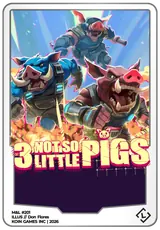
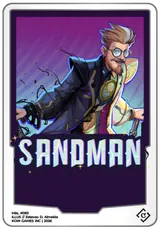
Three Not So Little Pigs is the least combo of the three, because it plays fairly aggro, but the aim of the deck, especially against Van Helsing, is to keep your resources in hand to drop Glinda and Sandman on the opponent's reveal.
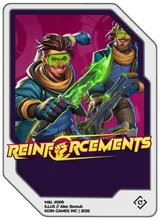
Then you fill the board in a single turn, maybe with two Reinforcements plus other 1-mana spells, and the deck is full of them, to trigger Glinda five, six, seven times over a couple of turns and build a monster board. You usually do it when your opponent has only 7 mana, so they can't answer with Forbidden Knowledge, of course.
The choice was excellent: in 6 rounds out of 7 I faced players who had brought Van Helsing, so simply by not banning it I always ran over them. I won every round 2-0 except one, which I won 2-1 because my opponent had no Van Helsing: it was the only close best-of-three I played. I blew out all the others.
SouL's three lists
Open the tournament deck page →Open the three decks in the deck builder
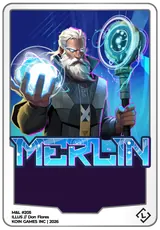
Deck A · Control
Merlin Control Combo · Merlin (Legendary)
- Merlin (Legendary). Mana 5. 5 Power, 5 Health.
- Baby Bear. Mana 2. 1 Power, 1 Health.
- First Aid. Mana 2.
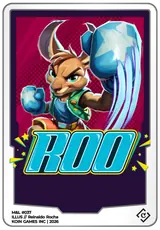
- Roo. Mana 2. 2 Power, 4 Health.
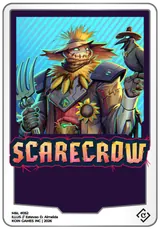
- Scarecrow. Mana 2. 1 Power, 1 Health.
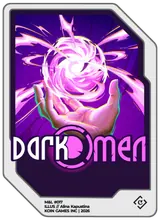
- Dark Omen. Mana 3.
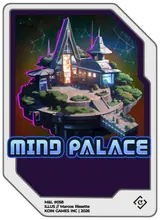
- Mind Palace. Mana 3.
- Piggy Bank. Mana 3.
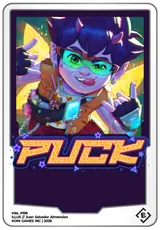
- Puck. Mana 4. 3 Power, 5 Health.
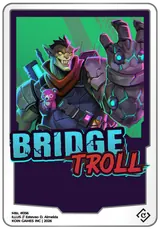
- Bridge Troll. Mana 5. 5 Power, 6 Health.
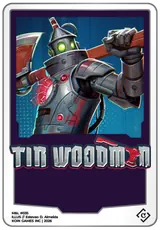
- Tin Woodman. Mana 6. 3 Power, 4 Health.
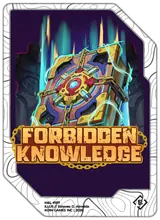
- Forbidden Knowledge. Mana 8.
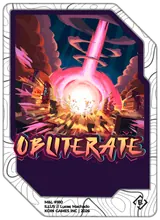
- Obliterate. Mana 9.



Deck B · Midrange
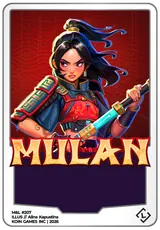
Mulan Midrange Combo · Mulan (Legendary)
- Mulan (Legendary). Mana 4. 2 Power, 4 Health.
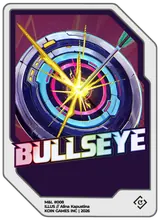
- Bullseye. Mana 1.
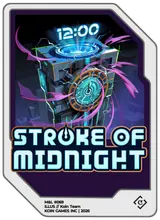
- Stroke of Midnight. Mana 1.
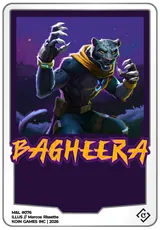
- Bagheera. Mana 2. 1 Power, 1 Health.
- Scarecrow. Mana 2. 1 Power, 1 Health.
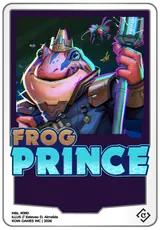
- Frog Prince. Mana 3. 2 Power, 2 Health.
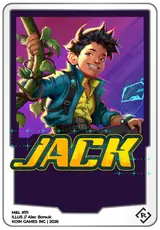
- Jack. Mana 3. 4 Power, 2 Health.
- Mind Palace. Mana 3.
- Puck. Mana 4. 3 Power, 5 Health.
- White Queen. Mana 4. 3 Power, 3 Health.
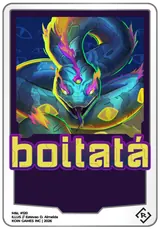
- Boitata. Mana 5. 5 Power, 5 Health.
- Tin Woodman. Mana 6. 3 Power, 4 Health.
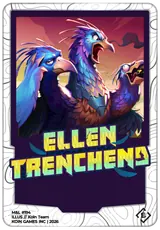
- Ellen Trechend. Mana 8. 3 Power, 3 Health.

Deck C · Aggro
Pigs Aggro · Three Not So Little Pigs (Legendary)
- Three Not So Little Pigs (Legendary). Mana 7. 3 Power, 3 Health.
- Bullseye. Mana 1.
- Reinforcements. Mana 1.
- Stroke of Midnight. Mana 1.
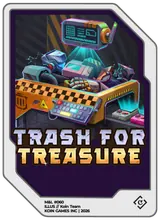
- Trash for Treasure. Mana 1.
- Roo. Mana 2. 2 Power, 4 Health.
- Sandman. Mana 2. 1 Power, 3 Health.
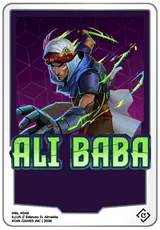
- Ali Baba. Mana 3. 2 Power, 3 Health.
- Golden Egg. Mana 3. 0 Power, 1 Health.
- Mind Palace. Mana 3.
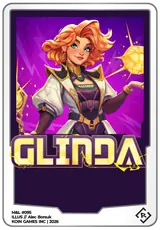
- Glinda. Mana 4. 2 Power, 4 Health.
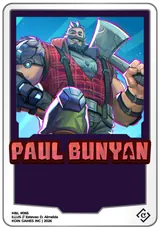
- Paul Bunyan. Mana 7. 10 Power, 10 Health.
- Obliterate. Mana 9.

The best deck and the one to change
“This Merlin can't lose: it absolutely needs a nerf.”
Davdas: Beyond the stats, which only count up to a point, and beyond what you feel with the cards in hand, if you'll allow the expression: which deck performed best, and which of the three would you have changed?
SouL: The truth is all three performed very well. None of them got stuck, not even in the final I then lost against Crono.
The bad loss was Mulan's, which lost against Crono's Van Helsing, and that shouldn't have happened: we wanted to beat Van Helsing, and in the last Swiss round I was actually up against Crono and beat him 2-0, running over his Van Helsing. In the final I lose the first game of the best-of-five against Van Helsing, because a very unlucky combination of locations came up for my line-up.
None of the three decks underperformed. The only one I probably wouldn't have wanted is Mulan: they often banned my Pigs, they often banned my Merlin, they never banned Mulan. So it was probably the weakest of the three, but it closed the circle of the combo line-up.
The best deck has to be Merlin: besides being my favourite deck in the game, it was definitely the most solid of all. This Merlin can't lose, as far as I'm concerned it absolutely needs a nerf: it's out of its mind.
The final against CoachCrono
Davdas: How did the final against the Coach go? In some ways an almost friendly final, despite what was at stake and the will to play it to the very end: you could feel the competition, but you were super fair to each other. You know each other, you support each other, there's the sense of community of both being streamers, and then an all-Italian final. What went wrong?
SouL: First a word about Crono, because he made me laugh a lot. Crono and I have known each other forever: we started streaming together back in the Teamfight Tactics days. We're not friends who talk about other things, but for games, collaborations and Twitch raids we've always been in touch, and we were very relaxed in the final.
Before the final I went on his Discord to chat with him and his chat, because Crono refused to put a delay on his stream. He played the whole tournament "snipeable", and that's terrible, because Origins is one of those games where, if you get sniped and your opponent predicts all your plays, it's a disaster. But he didn't care.
When it was the two of us in the final I told him: "Crono, please, can you add a delay? Can you at least put a black bar over your hand? I won't snipe you, but everybody knows us: do you know how many people could pass me information? I'll lock myself in, go offline, but carrier pigeons will still come through my window!" And he said: "No, I don't care at all, I trust you." It was really funny.
The first game, the locations and the 2-2
There isn't much to say, really: Crono played very well. The locations in the first game were definitely very lucky for him, he admitted it on stream too, but it was obvious, because my line-up was built to destroy his.
I was objectively favoured, and he was able to take it home because he played the first game especially well: he played every chance he had on those locations, unlucky for me and lucky for him. He started at a disadvantage, he was very focused, he knew he was riding the weaker horse in the final race, but he held on to it and managed to steal the win in the very first game.
That game completely flipped the odds, because the moment my opponent managed to get his Van Helsing through, suddenly I was the one behind. At that point I defended well, I managed to take two games and we stretched the show to 2-2.
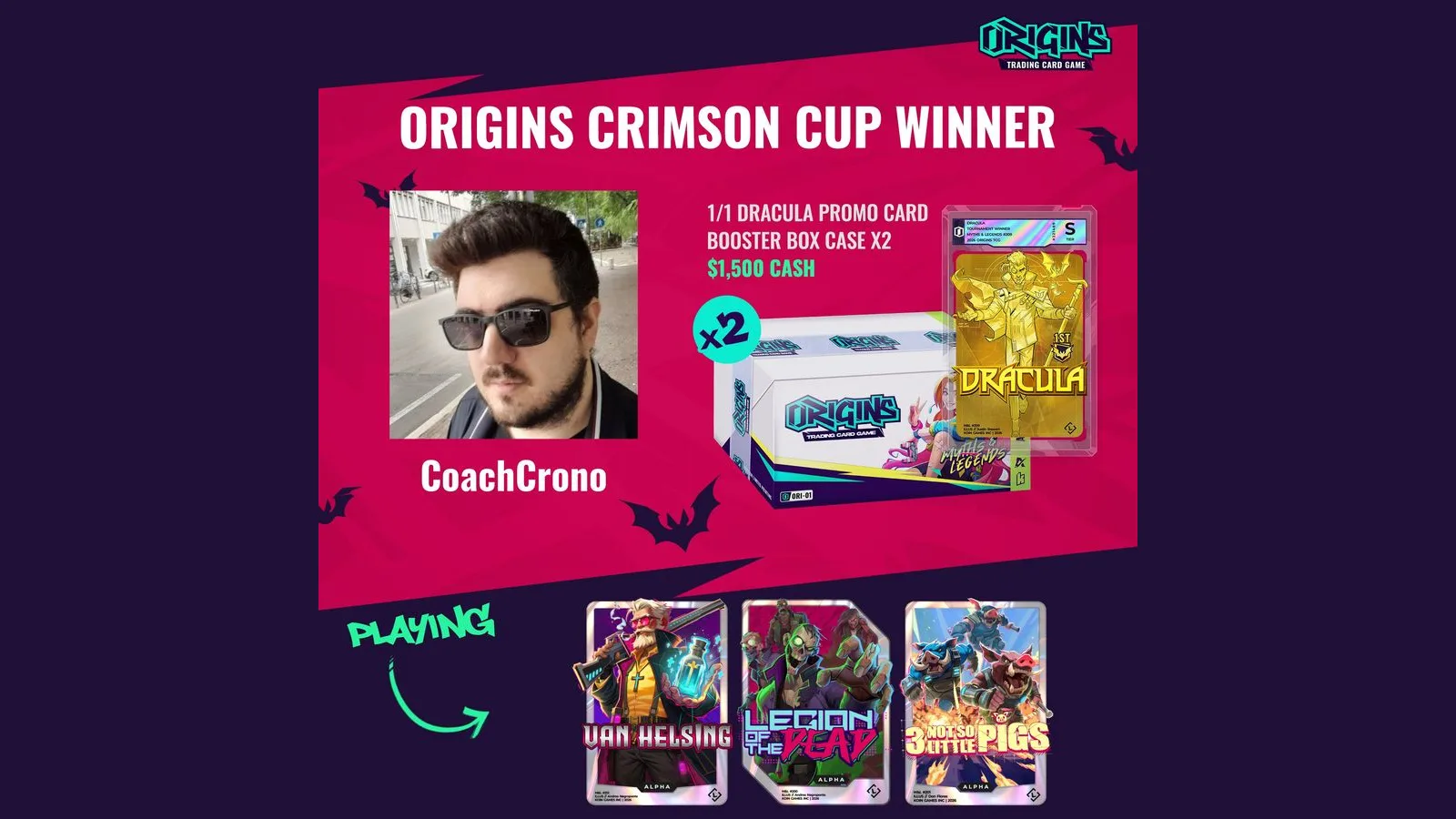
In the deciding game he found a spectacular curve with his aggro deck and crushed me: there was just no way to win it, and so he took home the famous golden Dracula.
Why Origins can make it
“It's a game born to be competitive. I give it six months before it blows up.”
Davdas: Congratulations again on the match, on the sportsmanship and on the result, to you and to Crono, who will be our guest soon. What are Origins' strengths today? What makes it a possible contender on the market and something special in the hands of players?
SouL: There are online card games and there aren't, because among games that really focus on competitive play, the way I see it, maybe only Hearthstone is left. And it's a very old game that lots of people have tried: many got tired of its competitive scene, many came back.
But in a landscape where there's practically only Hearthstone, there's definitely room for a second game, and the idea Origins is built on is completely different. So I think the landscape is there for it to work, with its ideas.
Free to compete
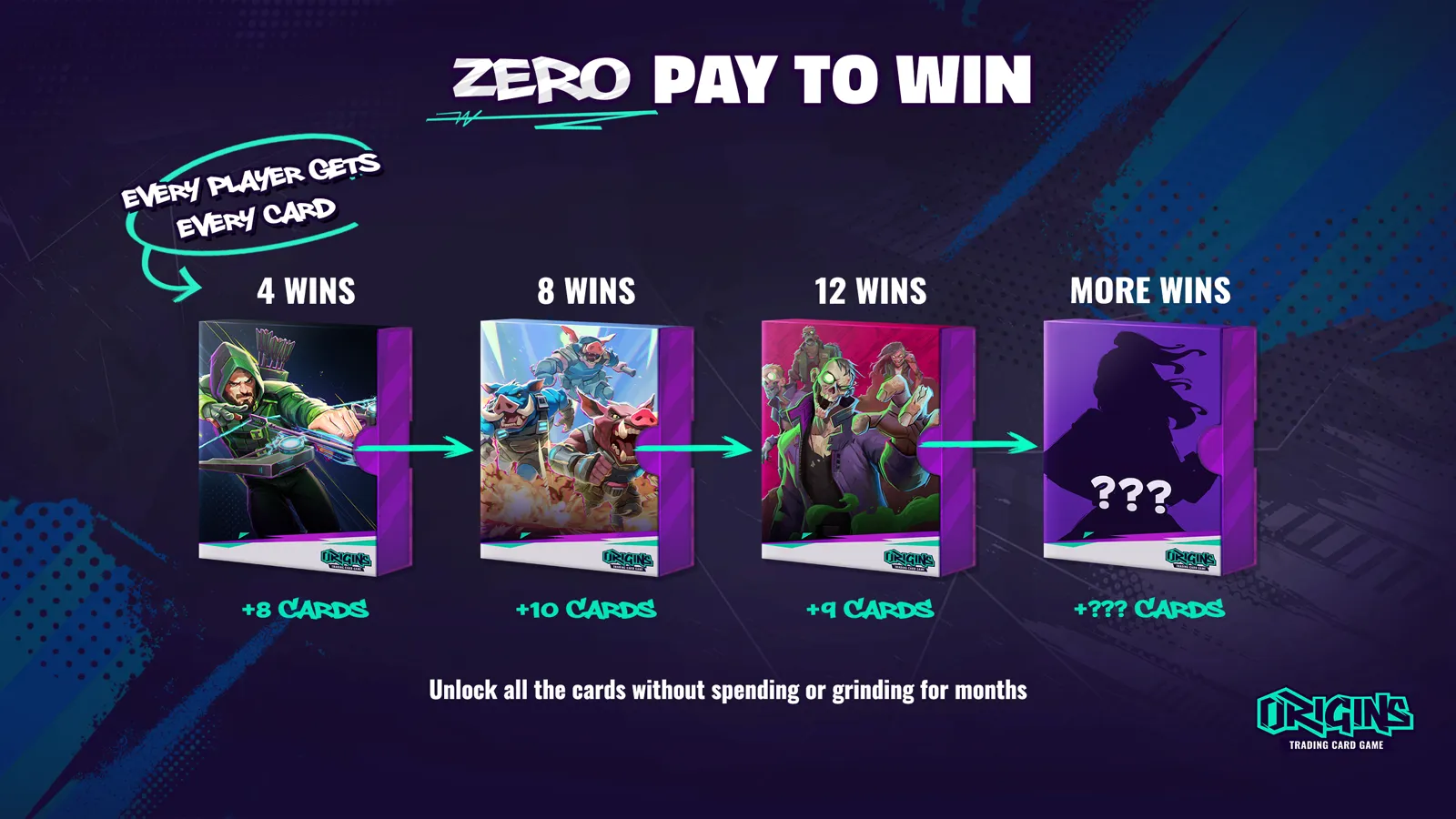
Speaking of personal taste: the game is completely "free to compete", as they call it. They give you every card and you can play every deck: after literally two hours of tutorial you've unlocked everything, you don't even have time to read them all before they're in your hand.
You can compete at the highest level, play a tournament like the Crimson Cup from your own home without paying anything, and win a prize like Crono's, a 1-of-1 serial card. OK, it's digital, but the same serials of physical cards are worth 30, 40, 50, even 100,000 dollars.
If this card ends up worth even a tenth of the most valuable cards ever, and Crono manages to sell it to a collector, or keeps it, I don't know what he wants to do, but if it becomes worth 10,000 dollars, he won that prize sitting at home. That's priceless, and lots of people, young people above all, will want access to it.
The virtuous circle of collecting
I play a lot of physical card games, I compete in those titles and I travel a lot, but travelling costs money and physical cards cost money: not everyone can afford that luxury.
Online games are a breath of fresh air: I can play whenever I want, on my phone, with friends on Discord, without having to meet anyone in person, even with friends far away, because Origins puts no limits on me.
It's free, it's a video game and it has people behind it with the know-how to carry it forward, with a collectible side that, as we know, is what keeps competitive play alive these days, because giving out cash prizes is always a problem for everyone, for physical and digital companies alike.
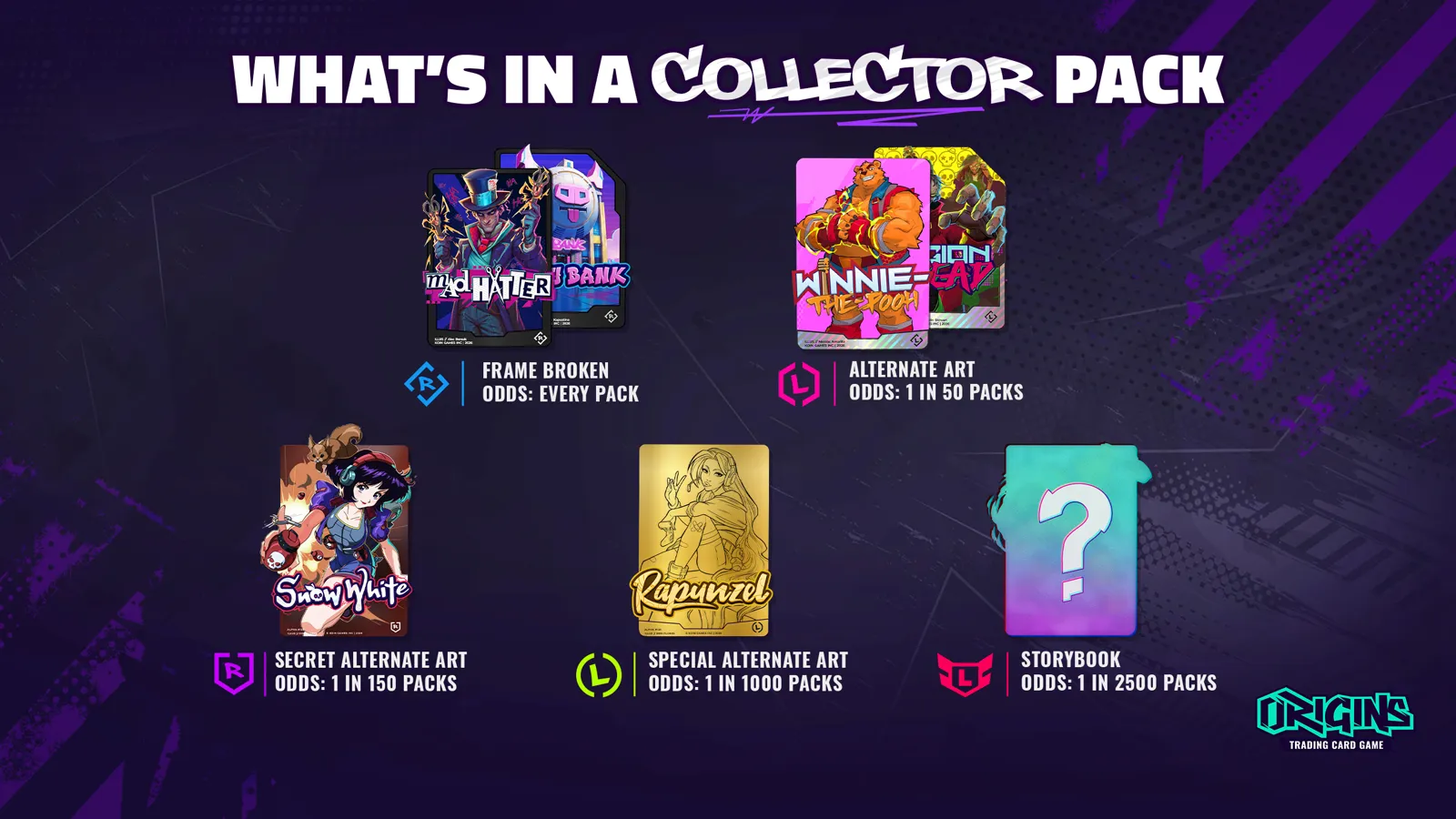
But if I can hand out unique serial cards, make incredible art, pay a great artist for a unique Winnie-the-Pooh or Merlin illustration, knowing that one day it will be played in a tournament by people who care about competition and bought by collectors who care about this kind of product, we're creating the virtuous circle physical card games have lived on for years.
I think all the factors are there for this game to be born, grow and live a long competitive life, which is the one its creators want to give it. What I like most about Origins is exactly that: it's a game born to be competitive.
As Timothy, the creator, always says: we want to make the best competitive online card game, because there isn't one. I give it six months before it blows up.
His advice to Koin Games
Davdas: What would you advise Origins today? By nature the game draws on games we already know, but it does it very well: it weaves together playability, replayability, continuity and fun, taking the best, or at least the best ideas, from other titles. My first thought was Hearthstone, which you mentioned, Artifact, Snap, games that had their big moment in the market, some for longer, some with more players, each with its own story.
We love Origins and its ideas are making us fall for it, but it isn't out yet: lots of players out there don't even know it exists, we have a set that isn't a real first set and we play tournaments with something that still feels incomplete in some cards and some mechanics. Yet it already has a very strong identity. If you could advise Origins on its next steps, what would they be?
SouL: I'll go with very personal taste again, because everything you said is spot on. I think they're in a transition phase, and the transition is happening today, with the launch of the Kickstarter.
My advice to a game like this is to never change, because one of the big mistakes many games have made, in my opinion, is changing. They have to build their own audience, and their audience is different: it's an audience of competitors and collectors. If from now on they never change their vision, I think they have a bright future.
Maybe not explosive growth, like they might get by selling themselves a bit more to what the market wants in the short term, but if they stay true to their identity they can build a core audience that potentially will never stop playing the game.
In the end we're talking about a game that wants competition and collecting, so it takes time, a lot of time: to produce the art, to build the competitive community, to run tournaments, to attract the competitive players out there, including the ones who don't play Origins today but whose opinion can move others, saying: "This game is cool, come and try a tournament, you play from home, it's completely free." That's what they have to spread as the identity of their product, and I think they can make it, if they never change.
The Kickstarter SouL mentions is the Alpha Edition one: rewards, odds and dates are on our Kickstarter page.
What a player looks for in a site like OriginsMeta
Davdas: Thank you for being with us on OriginsMeta. It's a pleasure and an honour for me to meet you again and have a chat after some time, and I hope it can happen more often.
SouL: As soon as I finish second in another tournament, I'll be back! (laughs)
Davdas: We'll invite you for much more, believe me. OriginsMeta, the site we're on right now, is a hub that wants to give this game full support. We're in direct contact with the people at Koin Games, who are distributing it and telling the world about it, and we're doing everything we can to support the game with tools and community. From your point of view, what do you hope to find when you visit a site that covers a game you like in such depth? What would you want, beyond a comfort zone where you can browse the card list?
SouL: I'll sound biased, but I want to tell you the truth: you already have it. I used your site for the tournament, for the stats. I have an engineering background, but that aside I've always loved statistics: to me statistics are everything.
My line-up came precisely from the fact that Van Helsing was clearly the strongest deck of all, so I wanted a line-up that beat it. And I found that out by looking at the stats of the other tournaments and of the leaderboard, using the data collected by your site. So for me that's what can never be missing.
A competitive game needs statistics and people who know how to read them, and one kind of support you can give players is not only presenting statistics, but also offering a reading of them through articles like this one, inviting people who give their own reading of a meta. To me that's the incredible added value that can't be missing in a game I take part in.
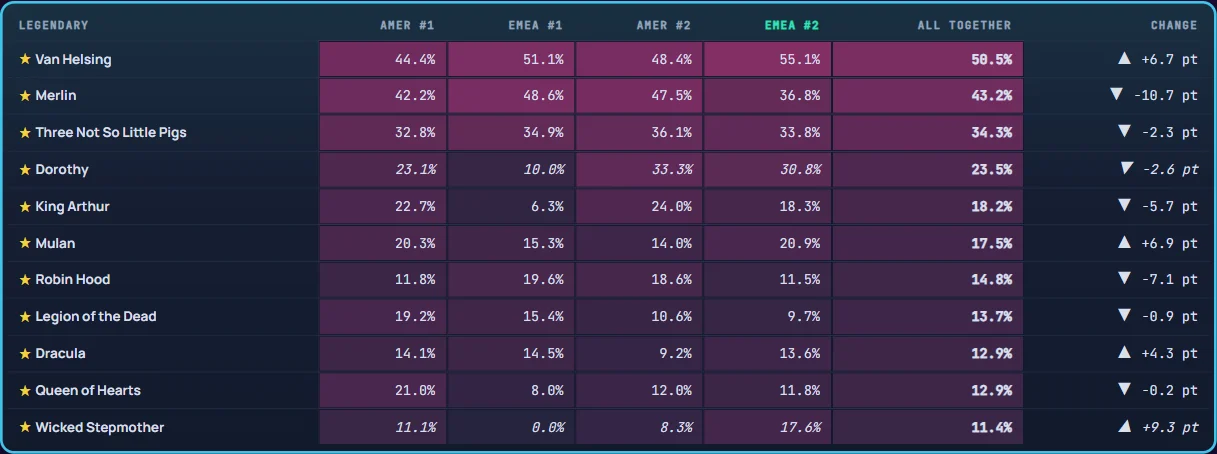
The numbers SouL talks about are on our Crimson Cup page: in the four qualifiers with official tables from Koin, Van Helsing was always the most banned Legendary, Merlin second overall, Mulan much further down. The ladder stats, from the games recorded with OriginsMeta Tracker, are in Analytics.
Davdas: Thank you, SouL, thank you so much for your words and your advice, and above all congratulations again on a great result.
SouL: Thank you, and thanks to OriginsMeta.
Cards in this update

Frequently asked questions
- Which decks did SouL play at the Crimson Cup?
- Three Not So Little Pigs, Mulan and Merlin, in the Conquest format. The three lists, published by Koin Games on finals day, are on OriginsMeta as a tournament deck, with the game codes ready to copy.
- Why did SouL choose Pigs, Mulan and Merlin?
- To beat Van Helsing, in his view the top tier deck of the meta: an aggro, a midrange and a control tuned to play as combo decks. The idea was Nimer's, tested with Lord Von and refined by SouL.
- Which deck of his line-up does SouL consider the strongest?
- Merlin: the most solid of the three and his favourite, one that "absolutely needs a nerf". In his view the weakest was Mulan, which was never banned against him in the tournament.
Written by Luigi “Davdas” Ragoni · The whole editorial team
OriginsMeta is an independent project and is not affiliated with Koin Games.